What is B Corp? The Revolution Redefining Business Purpose

In an era where the global business landscape is rapidly evolving towards sustainability and purpose, there’s a palpable momentum of companies not just chasing profits, but ardently pursuing a greater good. This commitment to positive change, transparency, and the common good has given rise to the transformative B Corp Certification. Awarded by B Lab, this prestigious recognition celebrates businesses that meet the zenith of social and environmental performance, public transparency, and legal accountability. Feeling inspired? The journey from problem to action is filled with possibility. Let’s dive into the inspiring world of B Corp, understanding its essence and how your business can be a beacon in this exhilarating movement. What is B Corp? B Corp is not just a certification; it’s a revolution. It represents a community of businesses and leaders who are dedicated to using their commercial power to solve social and environmental problems. They are pioneers, innovators, and most importantly, activists. B Corporations are legally required to consider the impact of their decisions on all stakeholders, not just shareholders. This means aligning profitability with a positive societal impact. It’s about balancing purpose and profit, where companies are as committed to doing good as they are to doing well. By becoming a B Corp, businesses join a vibrant community that thrives on collaboration, openness, and relentless pursuit of a better future. They become part of a movement that resonates with consumers, employees, and communities worldwide. What is B Lab? But who orchestrates this intricate dance between purpose and profit? Enter B Lab, the non-profit organisation behind the B Corp Certification. B Lab is the conductor, guiding companies towards a harmonious blend of financial success and social responsibility. Founded in 2006, B Lab’s mission is to transform the global economy into a force for good. They develop the metrics, standards, and tools that companies need to meet the rigorous social and environmental performance required for certification. B Lab believes that businesses should compete not only to be the best in the world but to be the best for the world. They’re not merely an organisation; they’re a catalyst for change, a champion for a more inclusive and sustainable economy. The Transformative Benefits of B Corp Certification What exactly are the benefits of becoming a B Corp? A Seal of Trust and Credibility In an era where consumers are becoming increasingly discerning about the brands they support, the B Corp Certification serves as a seal of trust. It’s a clear indicator that a company isn’t just talking the talk, but is genuinely committed to making a positive impact. This certification can significantly enhance a brand’s reputation, fostering trust and loyalty among consumers who prioritize sustainability and ethical practices. Attracting Like-minded Talent Today’s workforce, especially the younger generation, is actively seeking employers who align with their values. A B Corp Certification signals to potential employees that a company is dedicated to not just profit, but also to people and the planet. This can be a powerful magnet for attracting and retaining top talent who are passionate about making a difference. A Community of Changemakers Becoming a B Corp means joining a global community of like-minded businesses. This network provides a platform for collaboration, sharing best practices, and collectively amplifying the impact. It’s not just about individual success; it’s about coming together to drive systemic change in the business world. Continuous Improvement The B Corp assessment process is rigorous, and maintaining the certification requires periodic re-evaluation. This ensures that companies are always on their toes, continuously striving to improve their social and environmental performance. It’s a journey of constant growth, innovation, and commitment to excellence. A Competitive Edge In a saturated market, differentiation is key. The B Corp Certification provides businesses with a unique selling proposition, setting them apart from competitors. It’s a statement that says, “We’re not just here to do business; we’re here to do good.” And in a world where consumers are increasingly voting with their wallets, this can translate to a significant competitive advantage. Driving Stakeholder Value Traditional businesses often focus solely on shareholder value. In contrast, B Corps recognize the importance of creating value for all stakeholders, including employees, customers, suppliers, the community, and the environment. This holistic approach ensures a more sustainable and inclusive business model, leading to long-term success and resilience. Future-proofing the Business The challenges of the 21st century, from climate change to social inequalities, require businesses to adapt and innovate. B Corps are at the forefront of this change, proactively addressing global challenges and positioning themselves as leaders in the new business paradigm. By aligning with the values of the B Corp movement, companies are better equipped to navigate the uncertainties of the future. Amplifying Brand Story and Purpose Every brand has a story to tell, and the B Corp Certification can amplify that narrative. It’s a testament to a company’s commitment to a greater purpose, resonating with consumers who are eager to support businesses that align with their values. How do I certify as a B Corp? Embarking on the journey to become a B Corp is both an inspiring and a challenging adventure. It’s a roadmap that leads businesses towards becoming leaders in responsible growth. Assessment: Begin by taking the B Impact Assessment (BIA). This comprehensive analysis evaluates your company’s overall social and environmental performance. Improvement: Based on your BIA score, identify areas where your company can make tangible improvements. The process encourages a holistic view of how your business can positively impact society. Verification: B Lab’s rigorous verification process ensures that your practices meet the high standards set for B Corp Certification. It involves thorough reviews, documentation, and even on-site visits. Legal Alignment: Adopt the legal framework that ensures a long-term commitment to stakeholder impact, even through changes in company ownership or management. Certification: Once you have successfully completed the above steps, your business will join the ranks of B Corps, a beacon of hope and a symbol of sustainable, responsible business practices. What is the B Corp BIA? The
5 Levers you can pull for explosive growth in your business

[vc_row][vc_column][vc_column_text] In a business environment obsessed with short-term business growth strategy, it’s easy to fall into the trap of focussing on tactics that produce the fast results, such as direct response digital marketing. But this approach distracts businesses from putting focus into other tactics that may have a slower delivery but are actually essential for building a sustainable long-term business. The key to balancing the long and short of it, for any CEO or board looking to deliver shareholder value, is to master the activation of the full suite of available growth strategy levers. For the purposes of this article we are going to assume that growth means an increase in the overall value of a business to shareholders or private owners over a period of time. ”All brands are smaller than they want to be”Byron Sharp And we’ll explore a range of tactics B2B and B2C businesses can flex to generate longer term sustained brand growth: 5 Levers You Can Pull for Explosive Growth in Your Business There are 5 levers you can use as part of a business growth strategy, to grow your business. The balance is between capability (people and culture) and budget (resources) as to the mix of the levers you use to hit growth goals. Geography – which markets you are in Channel – how you sell to consumers Customer – the types of customers you target Category – your product or service offering M&A – Mergers and Acquisition Find out how your business can grow by applying the 5 Levers of Growth Book at free30-minute consultation here 1. Geography All businesses market within particular regions and those areas of focus can range from international down to individual suburbs, depending on the scale of the organisation. Large FMCG brands like Coca-Cola sell in most countries of the world, telcos such as Optus or Telstra sell their services to people and businesses all around Australia while dentists have a hyper-local market with most of their customers coming from a few surrounding suburbs. Expanding outside the geography that businesses currently operate in is a fast way to grow their brands and acquire an entirely new set of customers previously outside their reach. To activate this lever of growth, companies should first test if there is demand in new geographic regions and if their existing product or service will have traction with customers there. Once a market opportunity is identified the cost of opening up that new region needs to be established so business leaders can decide if the investment is a viable one that will deliver a return. Moving into the massive Chinese market can be a very attractive proposition, but with high barriers to entry, it can be very expensive, and many businesses have tried and failed. Done well, opening up new geographic markets can deliver fast customer acquisition and new brand growth. 2. Distribution Channel For many businesses, the advent of digital in the early naughties provided new channels to reach customers. Previously limited to retail stores or face-to-face sales for B2B, companies were limited in the ways they could sell to customers. With the rise in the always on customer it is important for businesses to make sure their product or service is easy to buy, by being just a click or walk away from wherever customers are. Always on and omnipresent is the name of the game to make sure customers spend their hard-earned with our brands rather than competitor brands. To test this Growth Lever, organisations need to make sure they have recent customer research that addresses the question of where potential customers want to be able to purchase (what they say they will do) and where they might purchase (what channels they are active in). If customer behaviour insights identify channels that may drive additional sales with existing customers, or acquire new customers entirely, then the business should activate these new distribution channels as soon as feasible. Some of the distribution channels available include; Two-sided Marketplaces – B2C platforms like ebay and Amazon and B2B platforms like Alibaba and Joor Three-sided Marketplaces – platforms like Deliveroo where they connect three parties: customers, restaurants and delivery riders Physical Retail – traditional brick & mortar Automated Retail – self-service kiosks and stores like AmazonGo Ecommerce – direct to customer online sales Social Media Shopping – growing quickly on Instagram and Facebook Wholesale – establishing a reseller network White Label Sales – allowing resellers to rebrand your product Value Added Resellers – working with resellers who might install or customise your software Personal Selling – face-to-face sales Sales Outsourcing – using a third party to sell Multi-Level Marketing – the model whereby independent contractors or distributors also make money by recruiting other contractors to sell 3. Customer Customer retention is vital for business survival and stability, but new customer acquisition is the best way to drive growth. This can be through marketing and advertising that ensures the brand is front and centre when target customers are considering purchasing. But more importantly, using this Growth Lever means finding new customers outside of existing target customers and then targeting them with marketing and advertising to put a brand on their consideration set. Once the existing target market opportunity has been filled, acquiring more customers within that group will have a high CPA (Cost Per Acquisition). A high CPA can be an indicator to look elsewhere to find new customers to the buying category. By widening the top of the funnel with more prospects, the customer base can be expanded, and revenue grown. Finding different customers to the product or category means a larger prospective market. This could include targeting a different demographic with similar drivers to a business’ customer, particularly if they risk saturation with their core customer. A recent
Three Defining Leadership Themes for 2023 – Liability, Legitimacy & Legacy

Co-author – Kirsty Simmonds, Reputation & Impact Strategist and ESG Advisor. There’s no doubt that the challenges leaders will face heading into 2023 will be complex and require an unprecedented level of intricate navigation. We are in a time of poly-crisis (the Davos 2023 buzzword), where the problems facing businesses, and society, are interwoven and reciprocally damaging. The challenges include continued fall-out from the global pandemic, civil unrest and conflict, climate change-driven extreme weather and natural disasters, increasing wealth and ideological polarisation, ambiguity around the impact of emerging technologies and a clock that is ticking loudly for the world to achieve the United Nations Sustainable Development Goals by 2030. Yet at the same time, we are seeing the emergence of collectivist behaviour and interconnected thinking. Leaders across business, government, NGOs and academia are acknowledging that big problems need a big combined force to drive solutions. In fact, the World Economic Forum set the scene for globalist thinking with its 2023 conference theme in Davos last month: ‘Cooperation in a Fragmented World’. The leaders that are making the greatest progress are already thinking and acting in interconnected ways. Businesses with a headstart in this area are implementing operating models that drive awareness of the interconnectedness of issues. Certified B Corps are a good example. There are three powerful themes that will set the scene for business leaders in 2023, that will help them not only steer through the many challenges, but also realise the once-in-a-generation opportunities before them. The three L’s: Liability, Legitimacy and Legacy. First identified in November 2022 by our partners, global foresight leaders, The Future Laboratory, these three themes challenge organisations and their leaders to embrace a new behavioural model in order to successfully lead, collaborate and become effective pathfinders. Liability The legislative and regulatory landscape is evolving rapidly, and the onus is on businesses to become more rigorous in mapping and reporting risks and impacts caused by their operations and their supply chains. Legislation is becoming increasingly complex, with more localised and topic-specific laws coming into effect. Recent examples include the US’s Uyghur Forced Labour Prevention Act, France’s Environmental Labelling law 2022-748 and the upcoming New York Fashion Act, expected to be passed later in 2023. And in Australia, the 2018 Modern Slavery Act is undergoing its first review, with more stringent deliverables for boards expected to be part of the recommended amendments. But liability is about much more than legal compliance. It is increasingly about the fact that there is an expectation from all stakeholders – customers, employees, suppliers, community partners, shareholders, environmental custodians and others – for organisations to act with accountability, to assume greater ownership and responsibility, and take proactive action in working on solving the global problems in which they are implicated. In which areas must your organisation step forward to do the right thing before legislative and regulatory changes force you to? Legitimacy Legitimacy is about social licence, which is in turn based on trust. It is earned by evidence of actions. Here organisations are expected to prove their expertise and earn their share of voice through listening to their many stakeholders, engaging with them and demonstrating genuine understanding through their actions. The consequences of not recognising this notion of ‘social permission’ to conduct business is the commercial disruption and reputational damage that comes through sophisticated stakeholder activism, as recently experienced by organisations like Shell and Coca-Cola, amongst others. Business leaders must look at their impacts through a materiality lens, focusing increasingly on those external impacts that are truly important to their stakeholders and where they may inadvertently have negative impacts on people and the planet. They are expected to have comprehensive mitigation and remediation strategies, where the needs of stakeholders are considered and addressed, and where an ongoing dialogue is established with each stakeholder group. How will your organisation engage with stakeholders to uncover, prioritise and address the issues that will lend your business credibility and support? Legacy And then finally there is Legacy. This is about leaders needing to shift their focus towards positive long-term impact. It’s about the intergenerational implications of decisions made today. This is where business leaders can be the most creative and innovative, making the shift from seeing ESG exclusively as a compliance imperative and beginning to view it as a strategic opportunity for leadership. Leaders can inspire action and accelerate change by acting with intentionality as higher-order, globalist thinkers. It’s where they can move in collaboration with other stakeholders, and build the capability of their people, to deliver against a vision of next-generation business structures that are regenerative and human-centred. Three-horizon thinking has never been more important. But the new key to success will be looking at horizon three through the lens of legacy and to focus increasingly on laying the foundations for profound intergenerational change. What will be the legacy of your leadership tenure 10 years from today and beyond? Kirsty Simmonds is a Reputation & Impact Strategist and ESG Advisor, with 25+ years’ experience working with leading B2B2C organisations, including with listed businesses like AMP and IBM. Kirsty leads The Growth Activists’ Responsible Business practice and is an accredited B Consultant and GRI-trained.Rosanna Iacono is Managing Partner at The Growth Activists. With over 25 years experience in global leadership roles with multinationals Nike and Levis and C-Level roles with some of Australia’s leading brands, Rosanna leads The Growth Activists retail & consumer goods practice.
Patagonia’s Big Move – When Stakeholder Capitalism Meets Legacy

Patagonia’s recent announcement that the Earth would become its only shareholder sent shockwaves through the global business community. It was the ultimate throwdown to Milton Friedman’s long-standing edict that the sole responsibility of a business is to deliver profit to shareholders. This move is not only the most high-profile example of a major for-profit organisation embracing stakeholder capitalism – the idea that companies must deliver value to a broader group of stakeholders, including the environment and society – it’s also bold in the way it legally enshrines the intent. The Chouinard family transferred ownership to two new entities: Patagonia Purpose Trust which owns all the voting stock (2%) and plays a governance role, and Holdfast Collective which owns the remaining stock (98%) and ensures that any profits not reinvested into the business will be used to fight the climate crisis. The company expects an annual dividend of approximately USD $100million. Patagonia founder Yvon Chouinard said, “Instead of extracting value from nature and transforming it into wealth, we are using the wealth Patagonia creates to protect the source.”. The announcement should have come as no major surprise to anyone who has been watching the business over recent years. What we have witnessed is a gradual evolution from authentic outdoor apparel brand to activist organisation that happens to make outdoor apparel. In fact Patagonia’s stated company purpose reads ‘We’re in business to save our home planet’. Patagonia’s Big Move – When Stakeholder Capitalism Meets Legacy B Corp global leader When Patagonia first certified as a B Corp in 2011 it achieved an exceptional score of 107.3 (it takes 80 points to certify and the average business scores only 50.9). But when the business re-certified in 2019, it achieved a staggering 151.4 points and was recognised by B Lab as extraordinary and leading in supply chain poverty alleviation, philanthropy, resource conservation, land and wildlife conservation, toxin reduction and remediation, and for its commitment to arts, media and culture. Responsible Consumption advocacy & education The brand’s infamous ‘Don’t Buy This Jacket’ ad, launched on Black Friday in 2001, challenged consumers to buy only what they need. Any scepticism was rapidly displaced when the company launched its Ironclad Guarantee, offering free repairs on all Patagonia garments and gear. Its Worn-Wear program allows customers to buy and trade-in used gear. The brand also uses 87% recycled materials in its product and is striving to close the loop and achieve circularity through continuous investment in material innovation, as evidenced in the recent film The Monster in Our Closets. Environmental Activism One of Patagonia’s gutsiest moves came in 2018, when the company moved to sue the Trump administration for its decision to reduce Utah’s Bears Ears National Monument by 85%. A company statement read: ‘This is not about politics; it’s about protecting the places we love and keeping the great promise of this country for our children and grandchildren. We won’t let President Trump tear down our heritage and sell it to the highest bidder’. That same year Patagonia took a USD$10m tax break granted to the business, after the Trump government’s new tax code lowered corporate tax, and donated all of it to fighting climate change. ‘Existential Dirtbag’ Founder But the business’s most profound evolution towards social and environmental sustainability was driven through the values of founder, Yvon Chouinard. A rock climber who discovered a niche for rugged technical clothing back in 1970, Chouinard founded the company with the philosophy that financial success should also enable the achievement of other goals , like ensuring Patagonia was an outstanding place to work for its employees and providing funding for environmental activism. On-site childcare and meals, and paid time off for working on environmental projects are just some of the many employee benefits. In 2002 Chouinard also founded 1% For The Planet, an international organisation whose 3400+ members contribute at least 1% of sales to environmental causes and includes businesses like The Honest Company, and Australia’s Flora & Fauna. Chouinard’s core business philosophies were related in his 2005 memoir ‘Let My People Go Surfing’, where he explains how embedding doing good and pursuing adventures into the business model ultimately drove Patagonia’s financial success. Despite the business’s stellar results, Chouinard despises hearing himself described as a businessman, and once told a journalist he would rather be described as a ‘dirtbag’. When challenged by the journalist that a billionaire cannot be a dirtbag, his defiant response was “Being a dirtbag is a matter of philosophy, not personal wealth. I’m an existential dirtbag.” Criticism The company’s ground-breaking move has not gone without criticism, with a number of high-profile fashion eco-warriors pointing to the organisation’s prolific use of petro-chemical derived materials. They’ve argued it should focus on overhauling its entire operations and move out of fossil fuel derived fibres entirely. In the company’s defence others have pointed out that Patagonia is one of the most prolific users of recycled materials of any brand of its size and also one of the most active in sustainable material innovation. The brand must also remain true to its purpose of providing ‘performance’ apparel to athletes, and at this time there are not yet viable non-synthetic substitutes to replace technical materials like Cordura or Gore-Tex. Supporters have also been quick to point out that this recent event is about much more than a material strategy and will have a profound influence on the global business community, challenging them to re-think their business models to create value for more stakeholders. Legacy It has been argued that the rise of ESG in recent years is about much more than Millennials and Gen Z’s influence as the most principled generations in history, but that it is also being driven by Baby Boomers re-thinking their legacies. Do they want to be remembered solely for the financial growth and earnings they delivered as business leaders, or also for lasting positive change on society? At 83 Chouinard may well be approaching his twilight years, so it is natural that he is considering
Elevating the ‘G’ in ESG: The critical importance of good governance

It’s no surprise that the environmental and social performance of businesses has come under greater scrutiny in recent years. As we face up to environmental and social challenges as a global community, all stakeholders — consumers, employees, investors, shareholders and the community — demand higher standards and more transparency into the environmental and social performance of the companies they support. That’s why more organisations have been implementing environmental, social and governance (ESG) strategies. Best-practice ESG creates a formalised structure that seeks to identify, implement, monitor and measure the critical success factors that determine a company’s environmental, social and financial performance. However, while most outward focus falls on the environmental and social pieces of the ESG puzzle, good governance — the ‘G’ is ESG — comes before all else. Governance drives company culture and sets performance standards across the organisation. It determines the effectiveness of your day-to-day operations, and takes a long-term view to inform effective and consistent decision-making. The Critical Importance of Good Governance Here’s how best-practice ESG management can improve your governance and set your business up for short- and long-term success… Build a better board Board composition is a critical success factor for companies in today’s complex business environment. ESG sets a board strategy that seeks to identify and recruit the right board members to drive your company’s mission, vision and objectives. Diversity in skills, experience, background and gender on the board creates the wide perspective your company needs to most effectively negotiate present and future challenges. At board level, an effective governance strategy also aims to avoid conflicts of interest among board members, and maintain support for a clear and unified strategic direction for the company. Ensure compliance Effective ESG strategies identify your company’s regulatory compliance obligations, implement a compliance plan, and monitor compliance performance. Compliance management is an important step to achieving best-practice operation. It helps companies to avoid financial penalties for non-compliance and protect against reputational damage. It also helps to ensure operational stability, and builds investor confidence. Optimise business processes Good governance takes a big-picture view of your organisation. ESG reviews your business processes and identifies areas for improvement. It breaks down departmental silos, connects workflows and fosters collaboration across the organisation. This is how companies build genine agility. An agile company can respond to challenges as a single unit, and mobilise organisation-wide business processes to deliver unified, strategic solutions. That doesn’t happen without good governance. Proactively manage risks Governance strategies seek to identify risk factors and implement proactive action plans to mitigate risks before they impact the business. This may involve maintaining updated risk management processes and disaster recovery plans. With the right governance approach to risk management, your company can move from simply weathering a storm to finding the silver lining in the cloud. The Covid-19 pandemic certainly made this clear for many companies. According to Oxford Business Group’s ESG CEO Survey, more than 60 percent of respondents said that the pandemic has either moderately or significantly impacted their understanding and/or appetite for ESG. Monitor and review performance Transparent management reporting is an important principle of corporate governance. ESG strategies set a range of metrics that are used to measure the company’s key performance drivers on an ongoing basis. This helps to inform data-based decision-making at management and board level, draw out real business insights, and enables a proactive and consistent approach to keeping the company’s operational processes and resourcing aligned to achieving its business goals. Best-practice reporting is also critical for demonstrating business integrity, providing transparency to shareholders, and building long-term investor confidence. Governance is essentially the DNA of your company. It impacts everything from company culture and day-to-day business processes, to board-level decision-making and the overall strategic direction of your company. Without good governance, your company is operating on a wing and prayer. With good governance, it is an agile, unified unit on a well-defined path to achieve shared business goals. The Growth Activists can help you achieve best-practice governance with an effective ESG strategy. Contact us at hello@growthactivists.com for a chat about how we can turn proactive thinking into ESG action.
Five Sure-fire Ways to Supercharge Your Council’s Internal Communication

Council workers are responsible for delivering many public services, so it is essential they have access to up-to-date information about their role, their council and an appreciation for the challenges facing local government. Communication in the workplace was always a challenge and the pandemic, and the shift to remote work, reminded us of its importance to keep workers engaged and effective. With many of us still working at least part of the time from home, effective communications are key to the smooth running of your council. This will ensure your team performs at their best; connecting, engaging and aligning your employees. The majority of us still work from home. To keep our councils running smoothly, we had to maximize the effectiveness of our communications. Seamless communication enables us to improve the productivity of our teams by engaging and aligning employees. “Whilst there is a huge emphasis on external communications in councils, communications within a council can be forgotten. Setting up a strategy for your council will boost employee engagement, nurture company culture and help your team perform their jobs well.” Phil Brown, Partner and B Corp Consultant at The Growth Activists Here are our top tips for solving common communication challenges within local councils. Five Sure-fire Ways to Supercharge Your Council’s Internal Communication 1. Improve Accessibility of Files The places and times we work have changed significantly with Covid-19. The fragmentation of workforces has increased the need to improve accessibility of digital resources. It is easy to take the accessibility of files for granted when you work in the office and are able to login to intranets, SAAS platforms and shared drives. What if you are forced to work remotely but still need to access the council’s files, information, and resources? The importance of accessibility to digital information has become increasingly important with increased flexibility around where we work and when we work. This can easily be achieved by using one secure online cloud platform for storing information, whether it be Sharepoint, OneDrive, Google Drive, Dropbox or Microsoft Teams. If you have multiple repositories for information and communication, then work towards consolidating them into one. 2. Develop A Communication Strategy Local councils are often focused on their external communications, reaching residents, businesses and other stakeholders. With internal comms taking a back seat, managers often struggle to know where to start. A simple internal communications strategy should include three things: Channels – What channels you communicate in, and when to use each channel according to the different types and priority of communication. Messaging – Communications pillars and key messaging; what is it we are going to be communicating to the workforce? Audience – Who we are communicating to. 3. Use Social Media to Your Advantage To be effective in communicating with your workforce, it is important to understand ‘where’ they are. Many employees are already active on social media, and by observing and learning from this, councils can create new approaches that mimic these behaviours for internal communications. When setting up an internal engagement strategy it’s important to research (interview and survey) a cross-section of your workforce to discover which channels they use. People have a range of preferences for consuming content – some like email, others like their managers to let them know what’s important, others still prefer corporate social channels like WhatsApp and Facebook Workplace. The conversational and real time nature of social media helps to encourage interaction amongst employees. Social media improves conversations across all departments and levels, keeping workers engaged and assisting them in achieving goals. 4. Communicate broadly but be focused in what you say Research consistently shows that employees feel overloaded with information, which means they can struggle to find, understand or engage with important council messaging. The way to ensure that key council messages are reaching all workers, is to tailor and then broadcast them on all of the channels that have been identified in the research. This means that messaging reaches the different communication channel preferences – for some they will see the key message once or twice, for more engaged employees the message will hit them on multiple channels so engagement and understanding is higher. It’s also important to keep the communication simple with one or two messages. People fail to take meaning from communications that try to do too much. Be simple and be clear. There is a temptation in government to overstuff comms with lots of activity and news from multiple areas. The comms plan needs to prioritise which type of messaging is most important, and which messaging NOT to do. 5.Internal Communications should be two-way Effective communication should enable information both ways. As important messaging goes out to workers, what are the mechanisms in place for feedback? Councils should provide platforms or a process for employees to share their ideas or concerns. Not only does this help employees feel heard and engaged, it provides a way for leadership to listen to the voice of the worker. A workplace social media channel allows this to happen immediately and also allows conversations between people, increasing their feelings of being valued and creating a sense of belonging in the team. It is important to create a space of psychological safety in these feedback channels. Executives want to hear the truth so processes and policies about internal channels need to make sure it is safe for employees to give their real opinions. This can be tricky and needs guardrails and guidelines so feedback doesn’t veer into crusades, bullying or pure criticism. It is important for leadership to be engaged with these channels and leading the way on how to communicate. It’s not always about size It is easy to overlook internal communications when there are other priorities and day-to-day work plans that need to be done. Capability and capacity are the main blockers for developing and implementing an internal communications strategy and plan. If you are in this position but know how important communication is, you can look to hire a professional
6 things to consider for your Sustainability Transformation

Sustainability Transformation is needed now Today, to stay competitive, every organisation needs an Environment, Social and Governance (ESG) strategy. Not just for the social and environmental sustainability benefits, but for long term business sustainability too. It is now an integral part of how we do business and something that stakeholders expect. Many organisations already have ESG initiatives implemented into the core of their business. The next step is to share the message and communicate your Sustainability Strategy to your internal and external stakeholders. By aligning with stakeholder values, effective sustainability communications creates loyalty with existing customers and employees and attracts investors and potential talent to the business. Research clearly shows that value alignment is one of the most important reasons for a potential employee to look at a role. “With modern capitalism turning away from focusing only on profit for shareholders, to considering the effect on people and planet, it is vital that organisations consider multiple stakeholders. The operations of a business have a material impact on customers, shareholders, employees, community and the environment. An integrated sustainability communications strategy ensures that you leverage the good work you are doing in the ESG space, to both internal and external audiences.” Phil Brown, Partner and B Corp Consultant at The Growth Activists 6 Things to Consider for Your Sustainability Transformation 1. Why you need to communicate your sustainability initiatives A sustainability comms strategy allows you to drive change from within. And showcasing your sustainability initiatives to internal and external audiences, with an integrated comms strategy provides some key and immediate benefits: Both corporate and individual investors are increasingly looking for good returns and good business. More and more funds expect a robust ESG strategy as part of their selection criteria from businesses they are looking to invest in, so it is vital to communicate the good work you are doing. But it ain’t easy… 2. Embedding your sustainability strategy With increasing expectations on businesses to implement ESG strategies, having a standalone ESG team within your organisation is not enough. It will be most effective if your strategy is implemented throughout the organisation. Sustainability objectives need to be embedded within your overall business strategy, so that they filter down to leadership and team KPIs. Your ESG strategy needs to be mandated from the top down, but implemented from the bottom up. Again it is important to communicate your sustainability message through internal comms so that the workforce is onboard. Equally as important is executive and board level buy-in to ensure sustainability becomes a cultural norm and lives in work plans. “Employees are your first and most important advocates. They must understand your sustainability strategy for when they communicate externally with friends, family, colleagues or the general public about where they work and what they do.” Phil Brown, Partner and B Corp Consultant at The Growth Activists Once your team deeply understands these initiatives, they will be able to tell your sustainability story effectively. 3. Sustainability can struggle to find a foothold As sustainability communications are relatively new to most businesses, many don’t have fully developed strategies to rely on. For sustainability teams to win the buy-in of both leadership and the wider business, they need to build a bridge into the marketing and comms team, to find a place in both the internal and external communications strategies.Building this bridge between teams, ensures they have overlapping objectives, goals and metrics. The marcomms team then becomes part owner in making sure sustainability efforts are amplified on the best channels, creating meaning for consumers and stakeholders. It’s also important that there is space for the sustainability team to jump on ad hoc opportunities, especially if something arises in the media or social media so they can join in the conversation. One of the most effective ways is to set up multidisciplinary teams. Find champions in the businesses that are already passionate about sustainability and bring them together as a working group tasked with the Sustainability Transformation. 4. KISS – Keep it simple stupid There are many complexities around ESG for businesses, so it is important to simplify your message for consumers. Endless streams of information, data and analytics can be mind-numbing for even the most conscientious consumer. So, breaking down the data into digestible information and then creating a narrative that your audience can easily absorb is vital for ESG communications. Infographics for data visualisation and video content for sharing your story are great ways to communicate complex information to your audience. “When the average consumer hears a phrase like net-zero, it can have little to no personal meaning to them,” says Phil. “Whereas when they hear a phrase like ‘buying local’, it has significantly more substance. It packages the benefit in a more clearly defined message. Businesses need to understand what their audience values and showcase their credentials in a meaningful way.” Rob Shwetz, Partner and B Corp Consultant at The Growth Activists 5. The environment is important but don’t forget the S in ESG Being green is important, but black lives matter too. Caring and acting for the environment is on trend, and therein lies a shortcoming in many organisations’ Sustainability Transformations and the stories they tell about their initiatives. Since about 2015, individual and corporate investors started paying attention to not only environmental measures, but social and governance data such as labour policies, board diversity, and other social impact measures. Sustainability reports that tick the green box are no longer enough, organisations should look to reporting their impact on other stakeholders including workers, suppliers, and the communities they operate in. And then of course this provides more stories to leverage back to those same stakeholders. 6. Cut the bullshit (greenwashing) We’ve been through a decade ofgreenwashing, when purpose and sustainability was owned by brand or marketing. This meant that whilst sustainability stories were being told, they often had little bearing on the operational social and environmental impact of businesses. Consumer activism can be quick to call out this greenwashing, turning an expensive
Solving the Social Dilemma: Best-practice ESG management for business
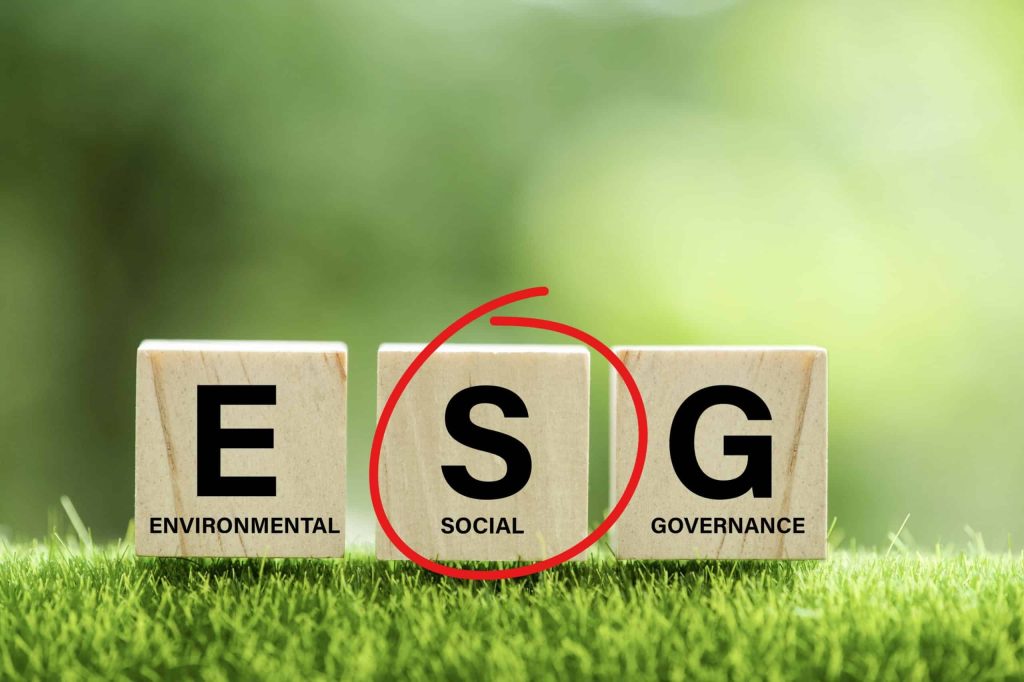
The fight against climate change has proved business can be — and must be — a force for good. Look around and you’ll see commitments to sustainability transformation in just about every aspect of business. From organisation-wide carbon audits to powerful decarbonisation strategies, so many businesses are putting their best foot forward in the march toward saving the planet. This proactive approach to environmental management is also good for the bottom line. But it’s not just about impressing shareholders. There are multiple stakeholders in play. Customers want to support eco-friendly operators. Employees want to work for businesses that do good for the planet. Investors and shareholders increasingly see stability in sustainability. Suppliers want to be part of eco-conscious networks. We’re not telling you anything new here. But the obvious move to eco-friendly business demonstrates the skyrocketing value businesses are placing on understanding and adhering to best-practice environmental, social and governance (ESG) standards. However, environment is only one aspect of any good ESG strategy. The way your business approaches its social responsibility — the ‘S’ in ‘ESG’ — is just as important as how you handle your environmental impact. Best-practice ESG Management for Business The Importance of the ‘S’ in ESG Sub-standard labour practices in your supply chain, employees who feel under-paid or under-valued, and any negative impacts your business may be having on the greater community can destroy your brand’s reputation — and customer base — with a single viral social media post. But looking after the ‘S’ in ‘ESG’ isn’t just about protecting your reputation. There are other real business benefits. When business leaders put purpose first, good things happen across the board. Making sure your people are appropriately paid, treated fairly, have access to development and training opportunities, and are cared for with wellness initiatives boosts engagement, productivity and retention — and your profits. A study by the Global Wellness Institute found that companies with more engaged employees report 22 percent higher profitability. Your customers are watching too. According to an IBM research report, 40 percent of consumers are purpose-driven. They seek out products and brands that align with their values, and are willing to pay a premium for them. Focus your approach That’s all well and good, but understanding the social responsibility landscape can feel overwhelming. No one company can solve all the world’s problems. But you can make a difference in a few focused areas. For starters, you need to clearly articulate your company’s core values and mission. This will serve as a map to guide you when choosing social issues to engage on, and will help ensure your ESG actions stem from your company’s overall purpose or intent. Then, you need to assess your current social impact and identify your strengths and vulnerabilities. What are you already doing well? Where do you need to improve? And how will you direct your social focus to further your mission and live your core values? This is the business of social innovation. It’s about knowing when to take the lead on the social issues that align with your core values. Knowing when to team up with other organisations or foundations to share the load. And knowing when to step back on issues that are not relevant to your company’s purpose. Measure your social impact To quantify your social impact, you need to effectively measure your ESG actions. When it comes to social responsibility, you can see your performance in analytics like customer loyalty, employee engagement and brand awareness. As you build an engaged network of employee and customer advocates who stand shoulder-to-shoulder with you on your social actions, you’ll likely see a few things happen. Customers will become more loyal to your brand; employees will engage with their purpose-driven mission; and you’ll build more brand awareness as you’re seen out in the trenches of social advocacy. It’s a win-win situation. Best-practice ESG strategy has the power to transform your business into a genuine force for social good, while delivering tangible bottom-line benefits. The Growth Activists can help your business become a force for good. Contact us at hello@growthactivists.com for a chat about how we can turn proactive thinking into ESG action.
5 Tips for Bringing Your Brand’s Decarbonisation Strategy to Life

[vc_row][vc_column][vc_column_text] After ranking last for climate policy among more than 60 nations, the Australian government’s climate change performance was widely slammed at the recent UN COP26 summit. Fortunately, the Australian business community has its eyes wide open to the climate challenge. According to a global Deloitte report, 81 percent of Australian business leaders believe climate change will negatively impact their operations. This is more in line with community demand for climate action, and it is now an imperative for businesses to place societal responsibility at the heart of their strategies. Speaking at an online forum organised by Trans-Tasman Business Circle, Jon Briskin, Executive General Manager of Retail at Origin Energy, said this imperative is being driven by skyrocketing customer demand for environmentally-responsible brands. “Customers clearly want to purchase from brands they trust, and that they believe will do the right thing for the planet,” he said. “This change in customer sentiment is not linear. It is absolutely exponential, and it’s just taking off now.” 5 Tips for Bringing Your Brand’s Decarbonisation Strategy to Life Here are five things you can do to help tell your brand’s decarbonisation story: 1. Be authentic Authenticity is critical to creating the brand trust consumers are craving. And that means implementing genuine and measurable steps to decarbonise your business, with transparent Environment, Social and Governance (ESG) reporting. “Tangible ESG objectives and outcomes are far more important than they have ever been,” Briskin explained. “We all saw the green washing of brands, and a lot of that gets called out now. Customers see through it. You need to express proof points that show how you stand behind your brand promise.” 2. Get certified Briskin said that obtaining proper certifications is important to building transparency and trust. At The Growth Activists, for example, we help companies achieve BCorp certification that demonstrates the business adheres to the highest standards of verified social and environmental performance. 3. Tell your story You’ve done the work, now you need to tell your story. But when it comes to sustainability, there is no finish line. The bar keeps getting higher and higher, and you need to continuously engage with your customers to keep telling the story of your brand’s on-going decarbonisation. This storytelling needs to happen at the individual customer and at the community level. At The Growth Activists we assist businesses to craft those narratives with credibility and authenticity. We also enable their employees to share those stories with confidence, which is critical for truly powerful activation of their ESG efforts. 4. Engage with the individual You need to make your decarbonisation story part of your customers’ day-to-day lives. This will keep the conversation going, and position your brand as part of your customers’ personal sustainability efforts. “For example, at Origin Energy our ‘Spike’ initiative allows customers to earn rewards when they reduce their energy use in peak demand periods,” Briskin said. 5. Engage with the community You need to tell your decarbonisation story at a community level too. For example, Octopus Energy in the UK purchased community-based wind generation assets, and offered discounts to local residents whenever the turbines were spinning. “Within a couple of weeks they had 800 communities across the UK asking if they could join the Octopus Fan Club and get those wind generation assets in their communities too,” Briskin said. But it all depends on authentic actions, measurable outcomes and transparent proof points. Make a real ESG commitment, measure and prove it by adopting credible impact-measurement standards or by undertaking BCorp certification, then engage your customers and their communities with continuous storytelling. The Growth Activists are experienced B Consultants. We’re here to support organisations through the complex B Corp certification process with the right advice for your business. Get in touch to learn more about how we can help. [/vc_column_text][/vc_column][/vc_row]
Key tips to accelerate the B Corp certification process

That old adage of ‘the first step in running a marathon is the hardest’ definitely applies to starting B Corp certification. It’s a complex process that can take an average of six to 12 months from initial assessment to submission. But there are some critical things you can do to accelerate the certification process. As experienced B Consultants, The Growth Activists work with businesses to get them to the point of submitting. Key Tips to Accelerate the B Corp Certification Process Here are six key insights we have learned over the last year that will help get your organisation going: 1. Set up a B Project Team (ideally with a sponsor) It distributes the load, but most importantly it’s engaging. Your team will enjoy being involved. Teams we have worked with love contributing. They say they learn about ESG, and being on the team gives them a voice and creates common ground beyond the work itself. 2. Commit time each week This commitment is crucial, particularly for the initial first pass of the questionnaire. There is no doubt that completing the Business Impact Assessment (BIA) is rigorous. The evidence-based approach to earning points means a step-by-step approach is manageable. This gives you time to think, ask questions and source data between sessions. 3. Be prepared to champion change in your organisation The BIA reviews five ‘big rocks’ in your organisation. These are your approaches to governance, workers, community, customers and environment. It’s a whole-business review and likely transformational. We find that it’s best to highlight and champion this change early. 4. You and your team will not have all the answers Be prepared to search for answers. You’ll likely need to seek answers stored in servers or files that haven’t been looked at in months, and make sense of tacit information that is split across functions or has never been documented, but is the ‘way we always do things’. We find this process creates an opportunity for businesses to centralise and streamline their data and reports. 5. You will learn a lot And we mean a lot. This is an opportunity to extend and capture a lot of knowledge in your business. The BIA questionnaire is a decision tree. No two that we’ve seen have been the same. Even the same question will have different points allocated based on which track the business has been placed on. It will likely ask you team to raise the bar on company practices, and potentially introduce a new set of behaviours. 6. This is a strategic and operational exercise The certification process assists both your team and the business to understand what an exceptional global standard is for your industry or sector. It provides an opportunity to benchmark how you compare to other businesses in your sector locally and globally, and to determine if a gap exists between your organisation and your competitors. You’ll also work to identify the steps that need to be taken to close that gap. The Growth Activists is an experienced B Consultant. We’re here to support organisations through the complex B Corp certification process with the right advice for your business. Get in touch to learn more about how we can help.